
Operating large commercial vehicles requires specialized training and licensing. In the United States, drivers who operate large commercial vehicles for business purposes must typically obtain a Commercial Driver’s License (CDL). These licenses are issued by individual states but regulated by federal rules.
CDLs are divided into different categories depending on the type of vehicle being driven and the weight of the vehicle or trailer. The three major classifications are Class A, Class B, and Class C.
Class A Commercial Driver’s License
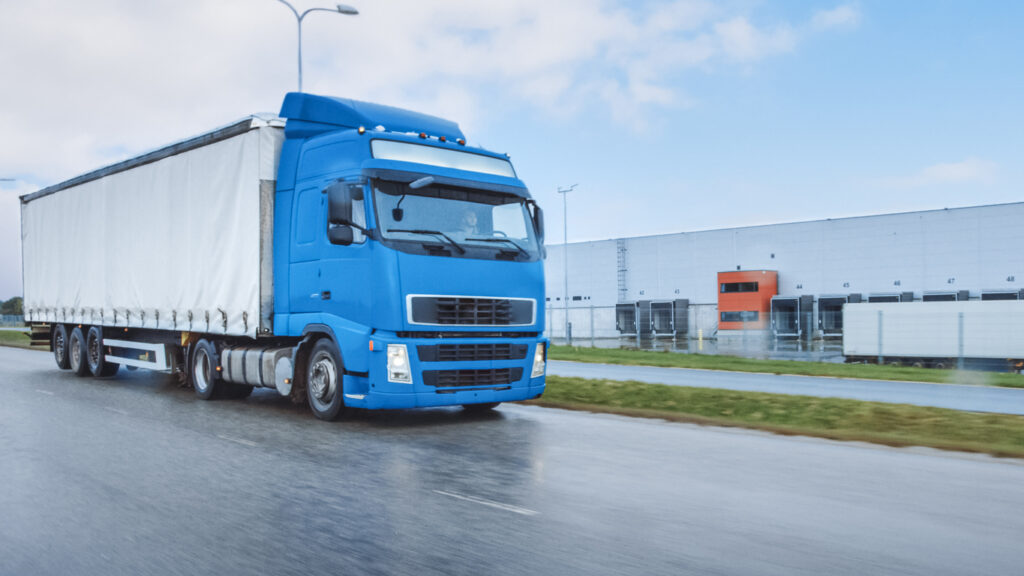
A Class A CDL allows a driver to operate the largest and most complex commercial vehicles on the road. This license is required when driving a combination vehicle (i.e., a vehicle with a detachable trailer) where the combined gross vehicle weight rating (GVWR) exceeds 26,001 pounds, and the trailer alone weighs more than 10,000 pounds.
Vehicles that typically require a Class A CDL include:
- 18-wheelers
- Flatbed trucks
- Tanker trucks
- Livestock carriers
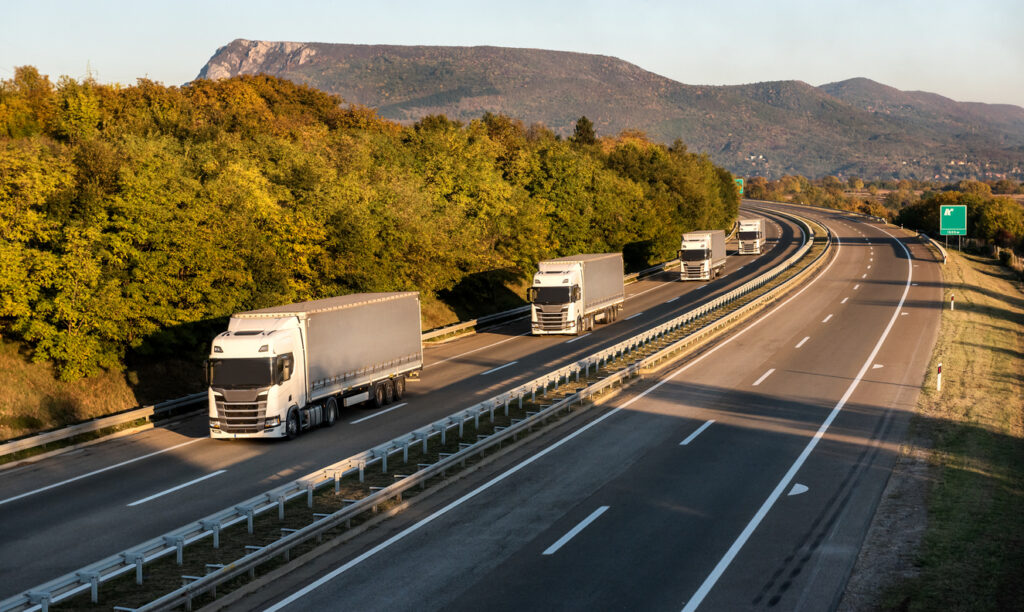
- Truck and trailer combinations used in freight transport
Obtaining a Class A CDL generally requires the most extensive training of any commercial license. Drivers typically must:
- Complete an Entry-Level Driver Training (ELDT) program approved by the Federal Motor Carrier Safety Administration (FMCSA)
- Pass a commercial learner’s permit (CLP) written exam
- Complete live training with an instructor
- Demonstrate proficiency in vehicle inspection and on-road driving during a CDL skills test
Drivers may also pursue additional endorsements, depending on the type of cargo they plan to transport.
Class B Commercial Driver’s License
A Class B CDL allows drivers to operate single vehicles with a GVWR of 26,001 pounds or more, provided the attached trailer weighs less than 10,000 pounds.
This license is commonly required for vehicles such as:
- Dump trucks
- Cement mixers
- Garbage trucks
- Delivery trucks
- Large buses (including city buses and school buses)
Class B licenses generally require less training than Class A licenses. To obtain a Class B CDL, applicants typically must:
- Complete a federally approved ELDT training program
- Pass a written knowledge test to obtain a commercial learner’s permit
- Complete hands-on driving instruction
- Pass a skills test
Drivers operating buses may also need passenger (P) or school bus (S) endorsements, which require additional testing and background checks.
Class C Commercial Driver’s License
A Class C CDL applies to commercial vehicles that do not meet the weight thresholds for Class A or Class B licenses but are still used to transport passengers or hazardous materials.
This license is typically required for:
- Vehicles designed to transport 16 or more passengers, including the driver
- Small passenger buses or shuttle vans
- Vehicles used to transport hazardous materials that require placards
Drivers seeking a Class C CDL typically must:
- Complete the appropriate entry-level driver training
- Pass written knowledge tests covering passenger or hazardous material transport
- Obtain a commercial learner’s permit
- Pass a skills and road test using the appropriate vehicle type
Drivers transporting hazardous materials must also undergo a Transportation Security Administration (TSA) background check and fingerprinting before receiving a HazMat endorsement.
Violations That Can Lead to CDL Suspension
Commercial drivers are held to higher safety standards than ordinary drivers because of the risks associated with operating large vehicles. Certain violations can result in the suspension or revocation of a CDL and restrict a driver’s ability to operate large commercial vehicles.
Common violations that may lead to CDL suspension include:
- Driving under the influence (DUI) of alcohol or drugs
- Refusing a chemical test after a DUI arrest
- Leaving the scene of an accident
- Using a commercial vehicle to commit a felony
- Driving a commercial vehicle while disqualified or without the proper license
- Serious traffic violations, such as excessive speeding or reckless driving
- Violating railroad crossing safety rules
- Operating a commercial vehicle while under an out-of-service order
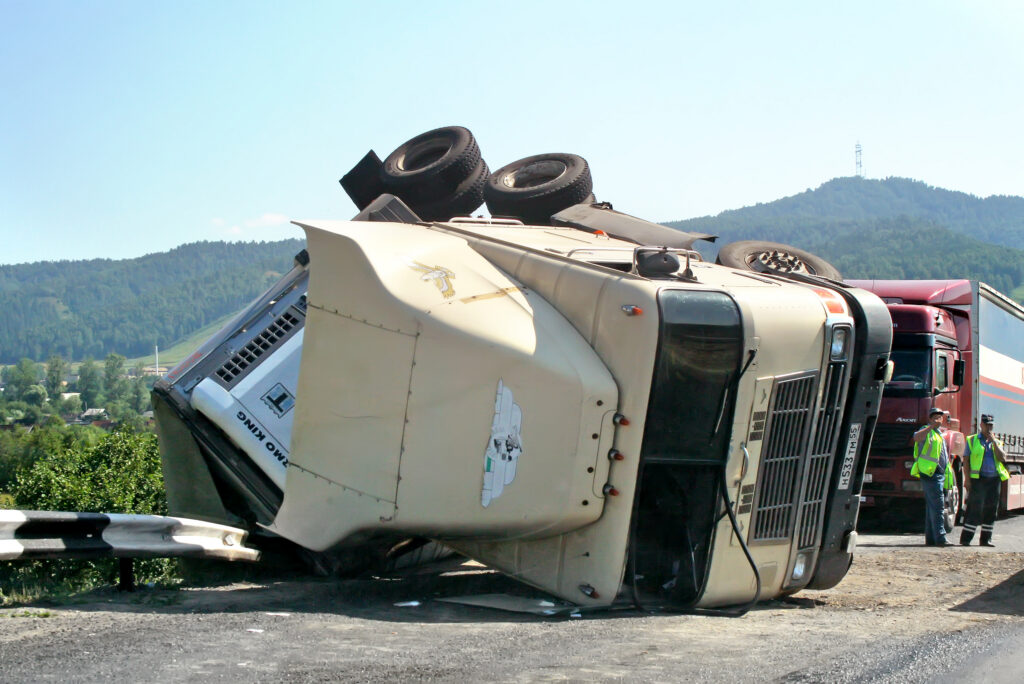
When these violations cause a truck accident, the truck driver or trucking company may be liable for the damages to occupants of other vehicles involved in the crash.
Contact Rafi Law Firm To Schedule a Free Consultation With an Atlanta Truck Accident Lawyer
Commercial Driver’s Licenses are categorized into Class A, Class B, and Class C to ensure drivers are properly trained for the specific vehicles they operate and the responsibilities they carry. Because commercial vehicles pose greater risks on the road, drivers must meet strict licensing and safety standards.
If you were injured in a truck crash in Georgia, contact Rafi Law Firm to schedule a free consultation with an Atlanta truck accident attorney to learn more about your rights and legal options.
We proudly serve clients throughout Fulton County and the greater Atlanta metro area in Georgia.
Rafi Law Firm – Atlanta
1776 Peachtree St NW UNIT 423, Atlanta, GA 30309
(404) 800-9933