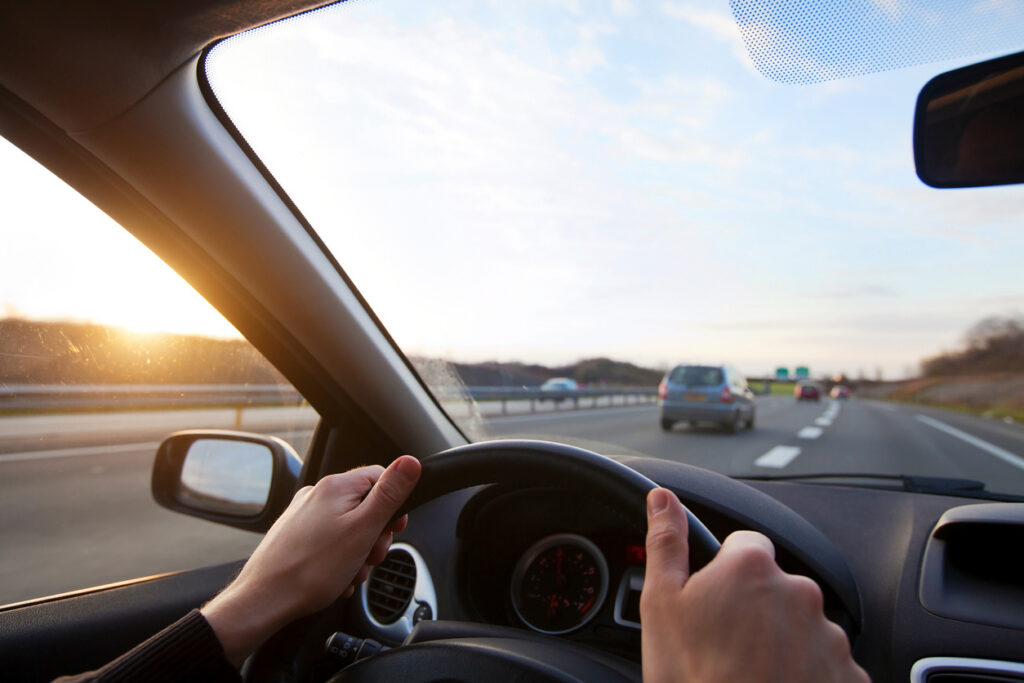

Anyone who regularly drives through Atlanta knows that a short trip can turn into a long commute without much warning. Between crowded highways, construction, and unexpected accidents, getting across the city isn’t always easy.
While Atlanta traffic is a daily frustration, some times are worse than others. Knowing when congestion is likely to build can help you avoid delays and make safer decisions behind the wheel.
The Short Answer: When Atlanta Traffic Is Genuinely at Its Worst
Atlanta traffic is generally at its worst on weekdays between 7 and 9 a.m. and 4 and 7 p.m. Evening rush hour can be particularly frustrating, as commuters share the road with delivery trucks, shoppers, and people heading to events around the city.
Of course, those hours aren’t set in stone. A crash on I-285, construction along the Downtown Connector, or heavy rain can bring traffic to a standstill at almost any time.
If your schedule allows, leaving before or after peak commuting hours may help you avoid some of the worst congestion. Checking traffic conditions before heading out can also save you from unexpected delays.
Rush Hour vs. the Times People Underestimate
Most Atlanta drivers know to expect traffic during the morning and evening commutes. What catches many people off guard is how quickly the roads can fill up outside those hours.
Morning traffic tends to build as people head toward Downtown, Midtown, Buckhead, and other major employment areas. By late afternoon, congestion spreads as commuters head home, parents pick up children, and drivers run errands.
But rush hour isn’t the only time worth planning around. Other periods that can bring unexpected delays include:
- Midday, between 11 a.m. and 2 p.m.: Lunch crowds, delivery vehicles, and ongoing roadwork can slow traffic, especially in busy commercial areas.
- Friday afternoons: People leaving work early or heading out of town can add to the usual commuter traffic.
- Saturday afternoons: Shopping centers, entertainment districts, and popular attractions often draw heavier traffic.
- Event nights: A concert at State Farm Arena or a game at Mercedes-Benz Stadium can create backups on nearby streets and highways.
- Holiday weekends: More people traveling in and out of Atlanta can mean longer delays on major interstates.
These periods don’t always produce the same congestion as weekday rush hour, but they can still turn an otherwise routine drive into a frustrating experience.
How Time of Day Correlates with Accident Risk
It’s easy to assume that Atlanta’s busiest roads are also its most dangerous. While heavy traffic creates plenty of opportunities for accidents, the relationship between congestion and crash risk isn’t quite that simple.
During rush hour, drivers spend more time braking, merging, and navigating tight spaces. A moment of distraction or a sudden lane change can lead to a rear-end collision or sideswipe accident. Frustration can also play a role, particularly when drivers become impatient with slow-moving traffic.
However, quieter roads come with their own risks.
Early mornings may involve tired drivers, while nighttime travel can bring reduced visibility and a greater risk of encountering impaired motorists. The type of danger may change throughout the day, even when the number of vehicles on the road decreases.
Routes and Times Worth Planning Around
Some Atlanta highways have a reputation for heavy traffic, and regular commuters know why. Major interchanges bring thousands of vehicles together, often leaving little room for error when traffic suddenly slows.
Several routes are particularly worth keeping an eye on.
I-285 (The Perimeter)
I-285 connects several major highways around Atlanta, making it a busy route for commuters and commercial vehicles. Traffic can become especially difficult near large interchanges, where drivers must merge across multiple lanes.
I-75/I-85 Downtown Connector
The Downtown Connector carries traffic through the heart of Atlanta. With two major interstates sharing the same stretch of highway, congestion can build quickly during morning and evening commutes.
Frequent merging and sudden slowdowns also mean drivers need to pay close attention to surrounding vehicles.
I-20 Through Atlanta
I-20 is a major east-west route for drivers traveling through the city. Traffic often slows near Downtown and major highway connections, particularly when an accident or construction project reduces the number of available lanes.
GA-400 and I-85
GA-400 is a familiar route for people commuting between Atlanta and its northern suburbs. I-85 also handles significant commuter and commercial traffic, with congestion often building near its connections to I-285 and the Downtown Connector.
No matter which route you take, it’s worth checking current road conditions before leaving. Georgia’s 511 traffic service can help drivers identify accidents, construction, and closures that could affect their trips.
What to Do if You’re in an Accident During Peak Traffic
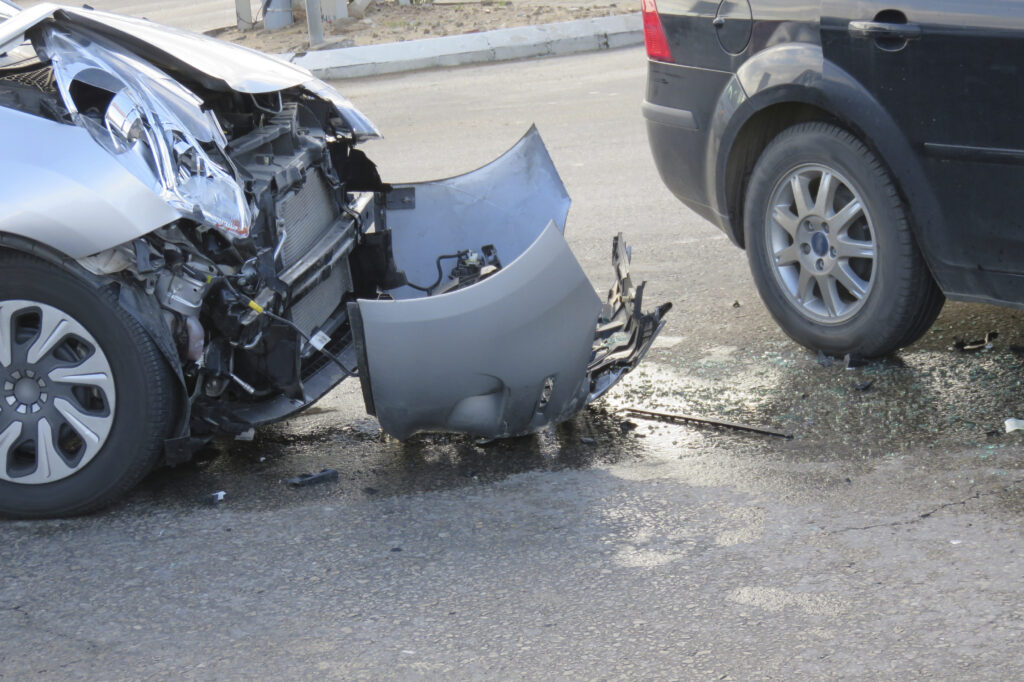
Getting into a car accident is stressful enough. When it happens during Atlanta rush hour, with vehicles backed up in every direction, the situation can feel even more overwhelming.
Your first concern should always be your safety and the safety of everyone involved. Once you’ve assessed the situation, there are several steps you can take to protect yourself and document what happened.
The Georgia Department of Driver Services provides guidance for motorists involved in collisions—depending on the circumstances, you should:
- Check for injuries. Make sure everyone is safe and call 911 if someone needs emergency medical attention.
- Move out of traffic if it’s safe. Georgia law requires drivers involved in certain crashes on multilane highways to move operable vehicles out of traffic when there is no apparent serious injury or death.
- Report the accident when required. Contact law enforcement if someone is injured or killed, or the crash causes more than $500 in property damage.
- Exchange information. Get the other driver’s name, contact details, license information, and insurance information.
- Take photos if possible. Pictures of vehicle damage, road conditions, and the surrounding area may help document how the accident happened.
- Get medical attention. Some injuries aren’t immediately obvious, so don’t ignore pain or symptoms that develop after the crash.
If you have been in an accident, you may be able to recover compensation for your losses. Rafi Law Firm has recovered over $200 million for clients, and attorney Mike Rafi has been recognized by Super Lawyers and Georgia Trend’s Legal Elite. We understand how a serious car accident can disrupt everyday life, from unexpected medical expenses to time away from work.
Contact the Atlanta Car Accident Lawyers at Rafi Law Firm for a Free Consultation
Atlanta traffic can test anyone’s patience, especially during the busiest parts of the day. Unfortunately, even drivers who stay alert, follow traffic laws, and leave plenty of space between vehicles can’t always avoid someone else’s careless actions.
If you were injured in an Atlanta car accident, you may be able to recover compensation for medical bills, lost income, pain and suffering, and other damages.
Contact Rafi Law Firm to arrange a free consultation with an Atlanta car accident attorney.
We proudly serve clients throughout Fulton County and the greater Atlanta metro area in Georgia.
Rafi Law Firm – Atlanta
1776 Peachtree St NW UNIT 423, Atlanta, GA 30309
(404) 800-9933