



An amputation injury is one of the most life-changing injuries a person can experience. Whether caused by a car accident, workplace incident, defective product, or another traumatic event, the loss of a limb can permanently affect a person’s physical abilities, emotional well-being, and financial stability. Victims often face years of medical treatment, rehabilitation, and major lifestyle adjustments after suffering an amputation injury.
Understanding the causes, complications, and legal options related to amputation injuries can help victims and their families move forward after a devastating accident.
What Is an Amputation Injury?
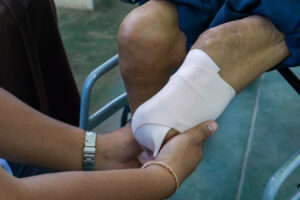
An amputation injury occurs when a body part is severed or must be surgically removed because of severe trauma or irreversible damage. Amputations can involve fingers, toes, hands, feet, arms, or legs. In some cases, the limb is completely detached during the accident. In others, doctors may determine that surgical amputation is necessary to prevent infection or save the victim’s life.
Amputation injuries are generally classified into two categories:
- Traumatic amputation: A limb or appendage is partially or completely severed during an accident.
- Surgical amputation: A doctor removes a damaged body part after determining it cannot be saved.
Both forms of amputation can lead to permanent disabilities and long-term medical challenges.
Common Causes of Amputation Injuries
Amputation injuries can happen in many types of accidents.
Some of the most common causes include:
Motor Vehicle Accidents
High-speed crashes involving cars, motorcycles, trucks, or pedestrians can create crushing injuries that result in limb loss. Motorcycle riders are especially vulnerable because they have little protection during a collision.
Workplace Accidents
Construction sites, factories, warehouses, and industrial environments often contain dangerous machinery and equipment. Workers may suffer amputations when limbs become trapped in machinery or exposed to cutting devices.
Defective Products
Power tools, heavy equipment, and defective machinery can malfunction and cause catastrophic injuries. In some cases, manufacturers may be held liable when unsafe products contribute to amputations.
Agricultural Accidents
Farm equipment such as combines, augers, and tractors can cause devastating injuries when workers become entangled in moving parts.
Medical Negligence
Infections, delayed diagnoses, or surgical mistakes can sometimes lead to preventable amputations. For example, untreated circulation problems or severe infections may require doctors to remove a limb.
Explosions and Fires
Industrial explosions, electrical accidents, and severe burn injuries can damage tissue beyond repair, making amputation necessary.
Physical and Emotional Impact of Amputation Injuries
The effects of an amputation injury often extend far beyond the initial trauma. Victims may experience lifelong physical, emotional, and financial hardships.
Physical Challenges
Many amputation victims must learn how to complete daily activities in entirely new ways.
Depending on the severity of the injury, victims may require:
- Prosthetic limbs
- Mobility devices
- Occupational therapy
- Physical rehabilitation
- Multiple surgeries
- Ongoing pain management
Some individuals also experience phantom limb pain, which is the sensation of pain appearing to come from the missing limb.
Emotional Trauma
The emotional impact of limb loss can be overwhelming.
Victims may struggle with:
- Depression
- Anxiety
- Post-traumatic stress disorder (PTSD)
- Loss of independence
- Reduced self-esteem
- Social isolation
Counseling and mental health support are often critical parts of the recovery process.
Financial Burdens
Amputation injuries frequently create significant financial strain. Medical treatment, prosthetics, therapy, and long-term care can cost hundreds of thousands of dollars over a lifetime. Many victims are also unable to return to their previous jobs, leading to lost income and diminished earning capacity.
Medical Treatment After an Amputation Injury
Immediate medical care is critical after an amputation injury. Emergency responders focus on controlling bleeding, stabilizing the victim, and preserving any severed body parts when possible.
Treatment may involve:
- Emergency surgery
- Infection prevention
- Skin grafts
- Reconstructive procedures
- Prosthetic fitting
- Physical therapy
- Occupational therapy
Advancements in prosthetic technology have improved mobility for many patients, but rehabilitation remains a lengthy and difficult process.
Compensation Available in an Amputation Injury Claim
If another person or company caused the accident, victims may have the right to pursue compensation through a personal injury claim. Because amputation injuries often involve permanent disabilities, settlements and verdicts can be substantial.
Compensation may include:
- Emergency medical care
- Surgeries and hospital stays
- Rehabilitation and physical therapy
- Prosthetic devices
- Future medical treatment
- Prescription medications
- Lost wages during recovery
- Reduced future earning capacity
- Physical pain and suffering
- Emotional distress and mental anguish
- Loss of quality of life
- Home modifications for accessibility
- Mobility assistance devices
- Loss of independence
- Loss of enjoyment of life
These damages are intended to help victims manage the long-term physical, emotional, and financial consequences of an amputation injury.
Proving Liability in an Amputation Injury Case
Successfully pursuing an amputation injury claim typically requires proving that another party acted negligently or wrongfully.
Examples of potentially liable parties include:
- Negligent drivers
- Employers
- Property owners
- Product manufacturers
- Contractors
- Medical providers
Evidence in these cases may include:
- Accident reports
- Medical records
- Witness statements
- Surveillance footage
- Expert testimony
- Safety inspection records
Because these claims are often complex and high-value, thorough investigations are essential.
Why Legal Representation Matters
Amputation injury cases often involve extensive medical evidence, long-term financial projections, and aggressive insurance companies. Victims may face pressure to accept settlements that do not fully account for future medical needs or permanent disabilities.
An experienced personal injury attorney can help by:
- Investigating the cause of the accident
- Gathering evidence
- Consulting medical experts
- Calculating long-term damages
- Negotiating with insurance companies
- Filing a lawsuit if necessary
Legal representation can help ensure victims pursue the full compensation they need for ongoing care and future stability.
Contact an Atlanta Personal Injury Lawyer at Rafi Law Firm for a Free Consultation Today
Recovering from an amputation injury can be physically, emotionally, and financially overwhelming. Victims often face extensive medical treatment, rehabilitation, lost income, and permanent lifestyle changes after a catastrophic accident.
If you or a loved one suffered an amputation injury because of someone else’s negligence, contact Rafi Law Firm today at (404) 800-9933 for a free consultation. Our Atlanta personal injury attorneys are ready to review your case, answer your questions, and help you understand your legal options.
Visit Our Personal Injury Law Office in Atlanta, GA
Rafi Law Firm – Atlanta
1776 Peachtree St NW UNIT 423, Atlanta, GA 30309
(404) 800-9933