



Broken bones are among the most common injuries after car accidents, slip and falls, workplace accidents, and other personal injury incidents. While some fractures heal with rest and time, others can lead to lasting pain, limited mobility, and expensive medical treatment. A serious fracture can disrupt every part of your life, from your ability to work to your daily routine at home.
If someone else’s negligence caused your injury, you may have the right to pursue compensation for your medical bills, lost income, and other damages. Understanding how broken bones happen, what treatment may involve, and what legal options may be available can help you protect your health and your future.
What Is a Broken Bone?
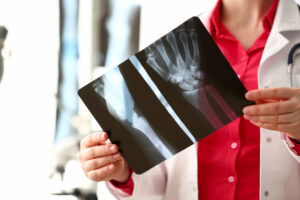
A broken bone, also called a fracture, occurs when a bone cracks or breaks because of physical force or trauma. Fractures range from minor stress fractures to severe breaks that require surgery and long-term rehabilitation.
Broken bones are common in personal injury accidents because the body often absorbs significant impact during a collision or fall. The severity of a fracture depends on several factors, including the force of the impact, the location of the break, and the victim’s overall health.
Types of Broken Bones
Not all fractures are the same. Some of the most common types of broken bones include:
- Simple fractures, where the bone breaks but does not pierce the skin
- Compound fractures, where the broken bone breaks through the skin
- Comminuted fractures, where the bone shatters into multiple pieces
- Greenstick fractures, which are more common in children and involve a partial break
- Stress fractures caused by repetitive strain or overuse
- Compression fractures, which often affect the spine
Each type of fracture may require a different treatment approach and recovery timeline.
Common Symptoms of a Broken Bone
Some fractures are immediately obvious, while others may not show symptoms right away. Seeking medical care after an accident is important, even if you believe your injuries are minor.
Common signs of a broken bone include:
- Severe pain
- Swelling or bruising
- Difficulty moving the affected area
- Visible deformity
- Numbness or tingling
- Inability to bear weight
- A grinding sensation during movement
Doctors often use X-rays, CT scans, or MRIs to diagnose fractures and determine the extent of the injury.
How Are Broken Bones Treated?
Treatment depends on the fracture’s location and severity. Some broken bones heal with immobilization alone, while others require surgery and rehabilitation.
Common treatments for broken bones include:
- Casts or splints
- Braces
- Traction
- Surgery with plates, screws, or rods
- Physical therapy
- Pain management
Recovery times vary significantly. A simple fracture may heal in a few weeks, while a severe break could take months or even years to fully recover from. Some victims experience permanent complications, including chronic pain, arthritis, nerve damage, or reduced mobility.
Long-Term Consequences of Broken Bones
Although many fractures heal properly, serious injuries can create long-term physical and financial challenges.
Potential long-term complications include:
- Chronic pain
- Limited range of motion
- Permanent disability
- Arthritis near the fracture site
- Nerve damage
- Muscle weakness
- Emotional distress
A severe fracture may also prevent someone from returning to work or participating in activities they once enjoyed. In some cases, victims require ongoing medical care, assistive devices, or future surgeries.
The financial impact can also be substantial. Emergency treatment, surgery, rehabilitation, and missed work can create significant stress for injured individuals and their families.
How Can Broken Bones Affect Daily Life?
A broken bone can make ordinary tasks difficult. Depending on where the fracture is, you may need help driving, bathing, cooking, working, caring for children, or getting around your home. Even a “simple” break can become overwhelming when it affects your independence.
These daily struggles can also support your injury claim. Medical records show the diagnosis, but they may not capture how the injury changed your routine. Keeping notes about missed work, pain levels, follow-up appointments, and activities you can no longer do can help show the full impact of the fracture.
This information may be especially important if your injury requires surgery, physical therapy, or long-term restrictions. A personal injury lawyer can help connect these real-life effects to the compensation you may be entitled to seek.
Call Rafi Law Firm for a Free Consultation with an Atlanta Personal Injury Lawyer
Broken bones can affect your health, finances, and quality of life long after an accident occurs. If someone else’s negligence caused your injuries, you should not have to carry the financial burden on your own.
Rafi Law Firm helps injury victims in Atlanta pursue compensation for medical expenses, lost wages, pain and suffering, and other damages after serious accidents. Our legal team can investigate your case, explain your rights, and help you seek the recovery you deserve.
Contact our office today at (404) 800-9933 to schedule a free consultation with an Atlanta personal injury lawyer about your legal rights and options following an accident.
Visit Our Personal Injury Law Office in Atlanta, GA
Rafi Law Firm – Atlanta
1776 Peachtree St NW UNIT 423, Atlanta, GA 30309
(404) 800-9933