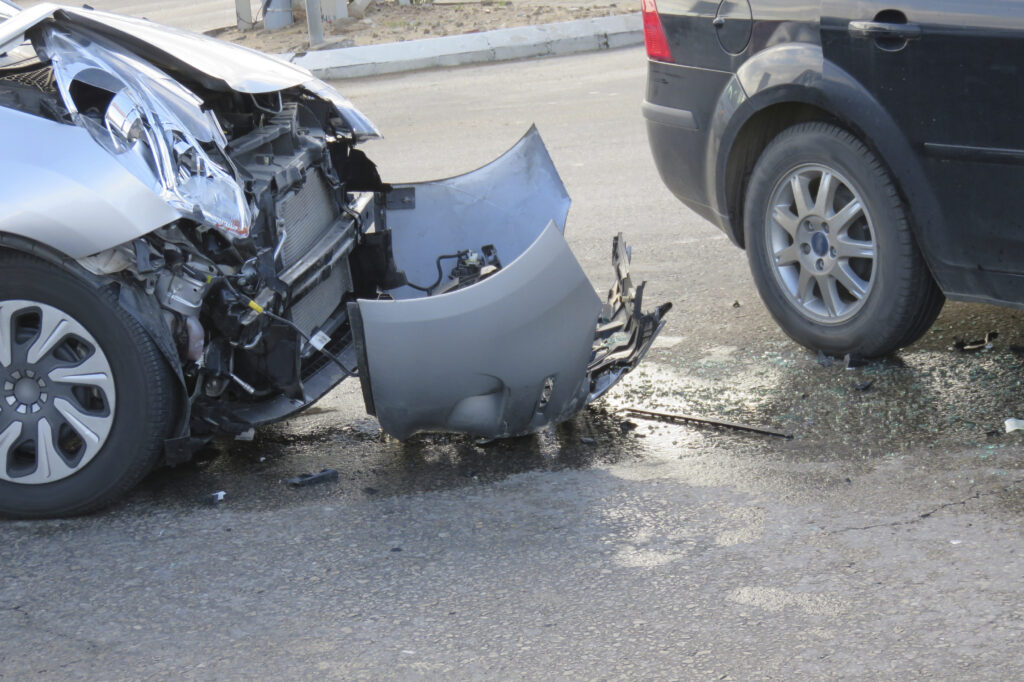

A car accident can leave you dealing with injuries, insurance claims, and costly vehicle repairs. In some cases, the damage is so severe that repairing the vehicle no longer makes financial sense. When this happens, your insurance company may declare the vehicle a total loss, commonly referred to as “totaling” your car.
Understanding what it means to total a car can help you make informed decisions after an accident.
What Is a Totaled Car?
A car is considered totaled when the cost to repair it equals or exceeds a certain percentage of its actual cash value (ACV) before the accident. The exact threshold varies depending on state law and insurance company policies.
Actual cash value is generally the market value of your vehicle immediately before the collision. Insurance companies calculate this amount by considering factors such as:
- The vehicle’s age
- Mileage
- Overall condition
- Make and model
- Previous damage
- Comparable vehicle sales in your area
For example, if your car was worth $18,000 before the crash and repairs would cost $16,000, the insurer may determine that repairing the vehicle is not economically reasonable and declare it a total loss.
How Do Insurance Companies Determine Whether a Car Is Totaled?
After an accident, the insurance company typically sends an adjuster to inspect the vehicle. The adjuster evaluates the damage, obtains repair estimates, and compares those costs to the vehicle’s actual cash value.
Depending on your state’s laws, the insurer may use:
- A total loss threshold based on a percentage of the vehicle’s value
- A total loss formula that compares repair costs plus salvage value to the vehicle’s market value
If the damage exceeds the applicable standard, the insurance company will usually declare the vehicle a total loss.
What Happens After Your Car Is Declared a Total Loss?
Once a vehicle is totaled, the insurance company generally offers a settlement based on its actual cash value rather than the amount you originally paid for it.
If you own the vehicle outright, you typically receive the settlement directly, minus any applicable deductible if you are using your own collision coverage.
If you still owe money on your auto loan, the insurance company will usually pay the lender first. If the settlement does not fully cover the remaining loan balance, you may still owe money unless you purchased gap insurance.
In many cases, the insurance company takes ownership of the totaled vehicle and sells it for salvage. In some situations, you may be able to keep the vehicle, although doing so often reduces your settlement and may require obtaining a salvage title.
Can You Disagree With a Total Loss Decision?
Yes. Insurance companies do not always assign the correct value to a vehicle. If you believe your car was worth more than the insurer’s estimate, you may be able to challenge the valuation.
Helpful evidence may include:
- Maintenance and repair records
- Receipts for recent upgrades or improvements
- Comparable vehicle listings in your area
- An independent appraisal
Providing additional documentation may result in a higher settlement offer.
Does a Totaled Car Affect Your Personal Injury Claim?
Not necessarily. The value of your vehicle and your personal injury claim are generally treated as separate matters.
Even if your car is declared a total loss, you may still seek compensation for losses such as:
- Medical expenses
- Future medical treatment
- Lost wages
- Reduced earning capacity
- Pain and suffering
- Property damage
- Other accident-related losses
If another driver’s negligence caused the crash, you should not assume that the insurance payment for your vehicle fully compensates you for everything you have lost.
What Should You Do After Your Car Is Totaled?
Taking the right steps can help protect both your financial interests and any potential legal claim.
After a total loss determination, consider:
- Reviewing the insurance company’s valuation carefully.
- Gathering maintenance records and documentation supporting your vehicle’s value.
- Keeping all receipts related to the accident, including rental car expenses.
- Continuing medical treatment if you were injured.
- Speaking with an experienced personal injury attorney before accepting a final settlement.
An attorney can evaluate whether the insurance company’s offer is fair and determine whether additional compensation may be available.
Contact an Alpharetta Car Accident Lawyer at Rafi Law Firm for a Free Consultation
If your vehicle was totaled in a car accident caused by someone else’s negligence, you should not have to face the financial consequences alone. In addition to the value of your vehicle, you may be entitled to compensation for your medical expenses, lost wages, pain and suffering, and other losses.
Contact an Alpharetta car accident lawyer at Rafi Law Firm today for a free consultation. We can review your case, explain your legal options, and help you pursue the full compensation you deserve.
We proudly serve clients throughout Fulton County and the greater Atlanta metro area in Georgia.
Rafi Law Firm – Atlanta
1776 Peachtree St NW UNIT 423, Atlanta, GA 30309
(404) 800-9933